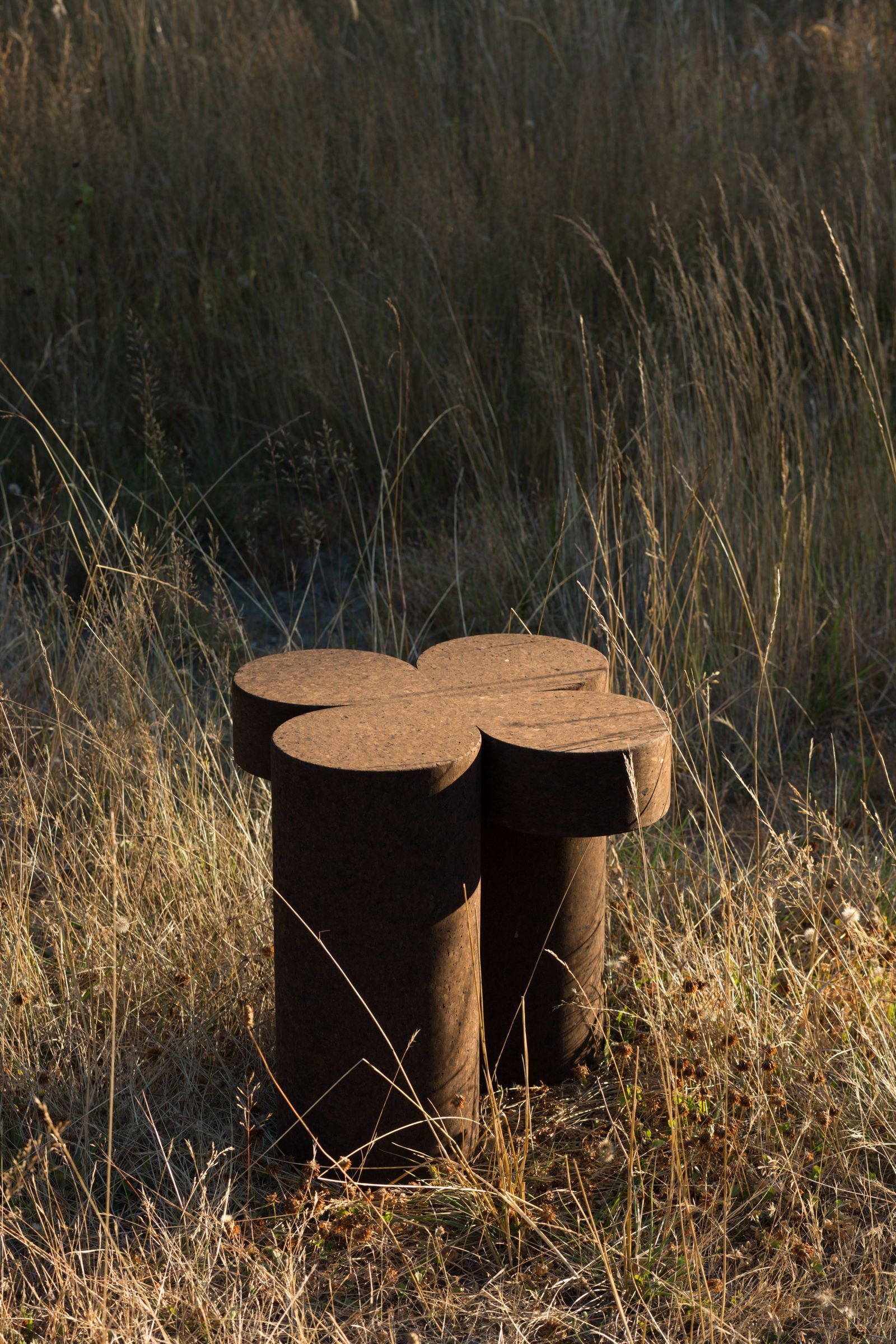
As interest in natural, textured and sustainable materials grows in the design world, cork is again emerging as a strong material alternative. An article published in Architectural Digest examines why designers are turning more to cork and the material's rise in furniture and interior design.
With its lightweight structure, warm appearance and natural texture, cork offers a striking character in furniture, objects, surface coverings and decorative details. Traditionally associated with the bottle stopper, cork has today gained a much broader field of use in the design world.
Architectural Digest's article describes how cork has become an attractive material for designers thanks to its renewable structure, its contribution to acoustic and thermal insulation, and its resistance to moisture and wear. These properties make it not only an aesthetic but also a functional design material.
"With its warm texture and natural character, cork is becoming a strong material that is regaining value in the design world."
Materials used in furniture and interior design are now chosen not only for visual impact but also for sustainability, comfort and long-term value. Cork answers these expectations with its natural structure while giving designs a distinctive and sophisticated look.
This example shows that cork has a strong place not only in technical fields but also in creative industries. The renewed rise of cork in the design world reveals how important a role natural materials can play in a modern, premium understanding of space.