As interest in natural and sustainable materials grows in the world of architecture, cork stands out as a strong building material with both environmental advantages and technical performance. An article published on ArchDaily emphasizes that cork is not limited to its traditional uses; it is a modern material able to answer architectural, structural and design needs.
Cork is harvested from the bark of the cork oak tree without cutting the tree down. This makes it a renewable, environmentally friendly natural resource. At the same time, being lightweight, flexible and strong in thermal and acoustic performance, it can be used across many different applications in the construction sector.
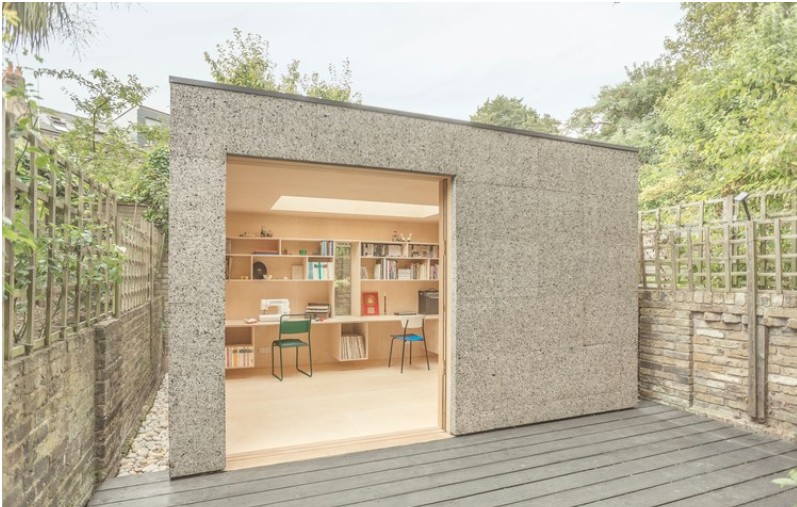
According to ArchDaily, cork has broad architectural potential — from facade cladding to interior surfaces, from insulation to decorative applications. Its natural texture brings warmth and character to buildings, while its technical properties meet expectations of comfort and performance.
"Cork stands out in architecture as a natural building material that is strong both environmentally and technically."
This example shows that cork can be treated not merely as a cladding or decorative detail, but as a holistic material that contributes to a building's performance. Thermal balance, acoustic comfort, lightness and the use of a natural resource make cork more valuable within a modern understanding of construction.
Materials used in architectural projects are now evaluated not only by aesthetic criteria but also by environmental impact, user comfort and long-term performance. Here, cork stands out as one of the most notable alternatives in construction thanks to its natural structure and versatile potential.
Source
ArchDaily — Could Cork Be Nature's Answer to Our Environmental and Construction Needs?
archdaily.com →